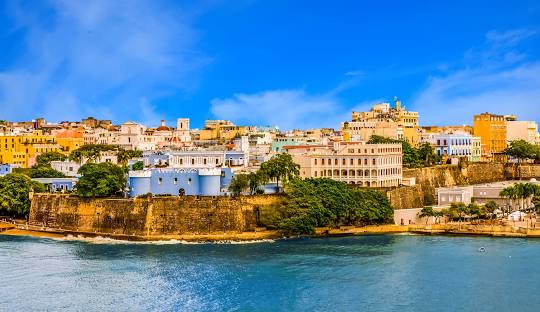
Experience The Beautiful Blend Of Our Cultural Roots
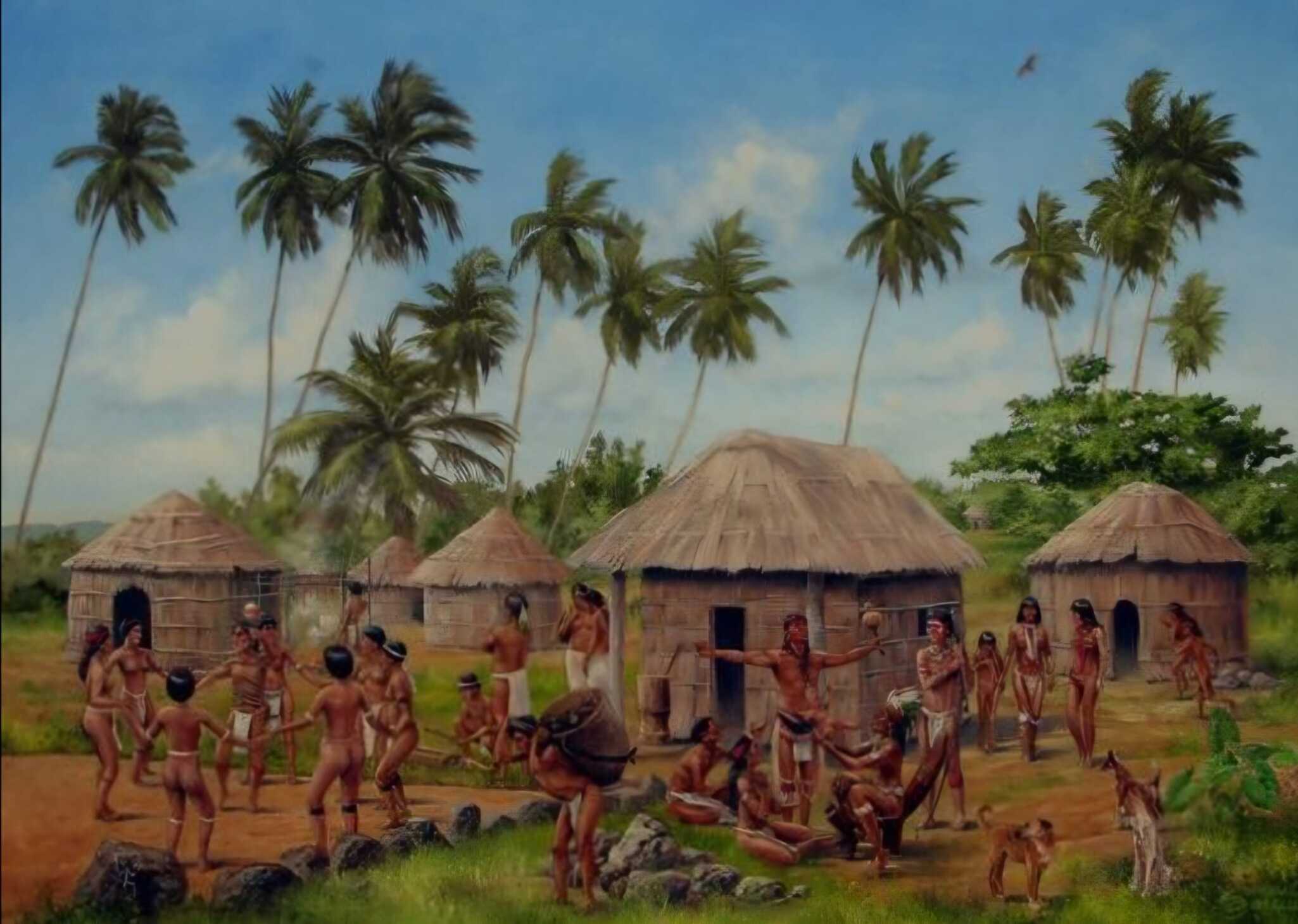
The Taino Beginning
Long before Spanish ships arrived, the island was home to the Taino people who called it "Borikén", "the land of the brave lord." Their influence lives on in words like "hamaca"(hammock) and "huracán"(hurricane), and in our vibrant art
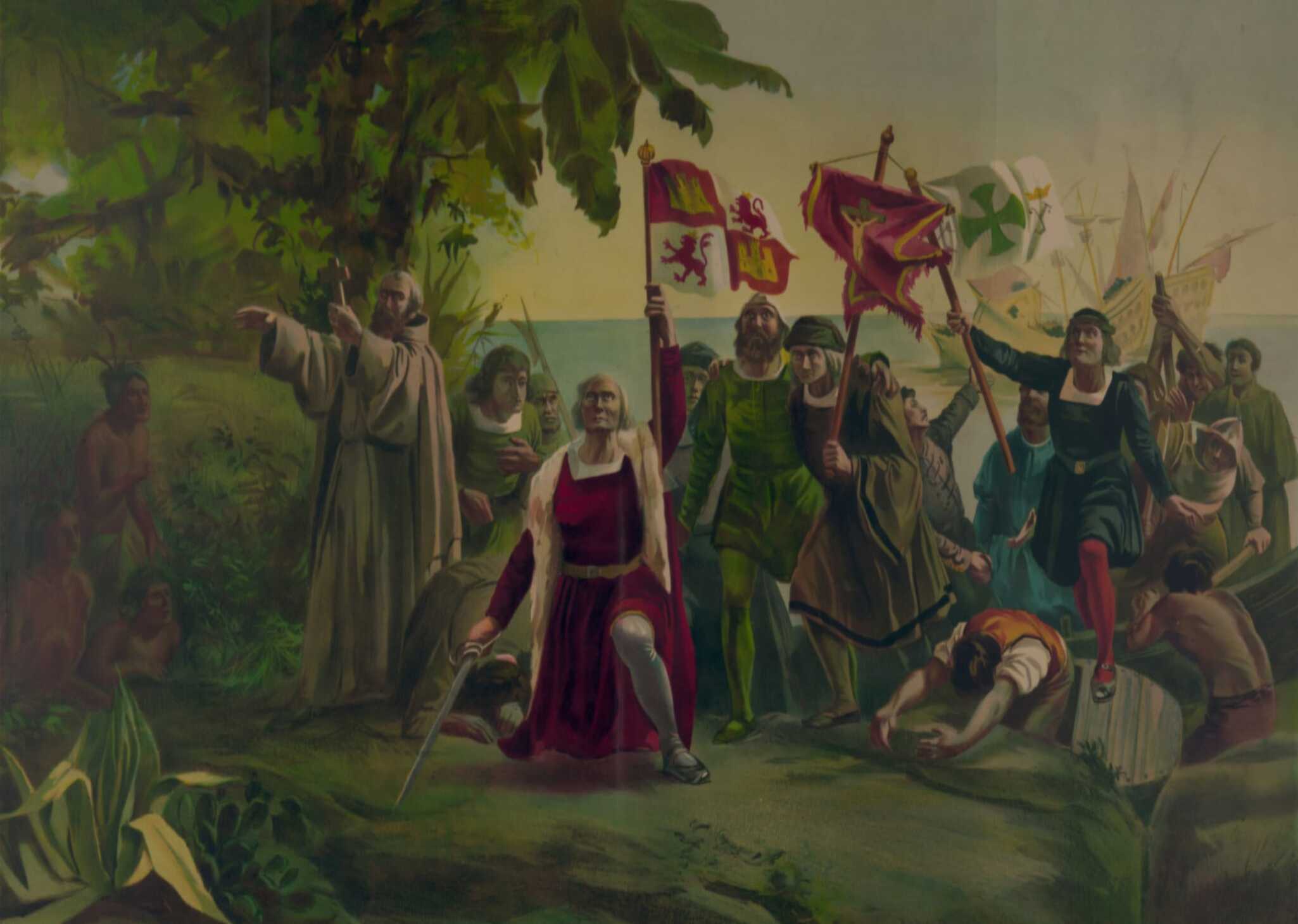
Spanish Colonial Era
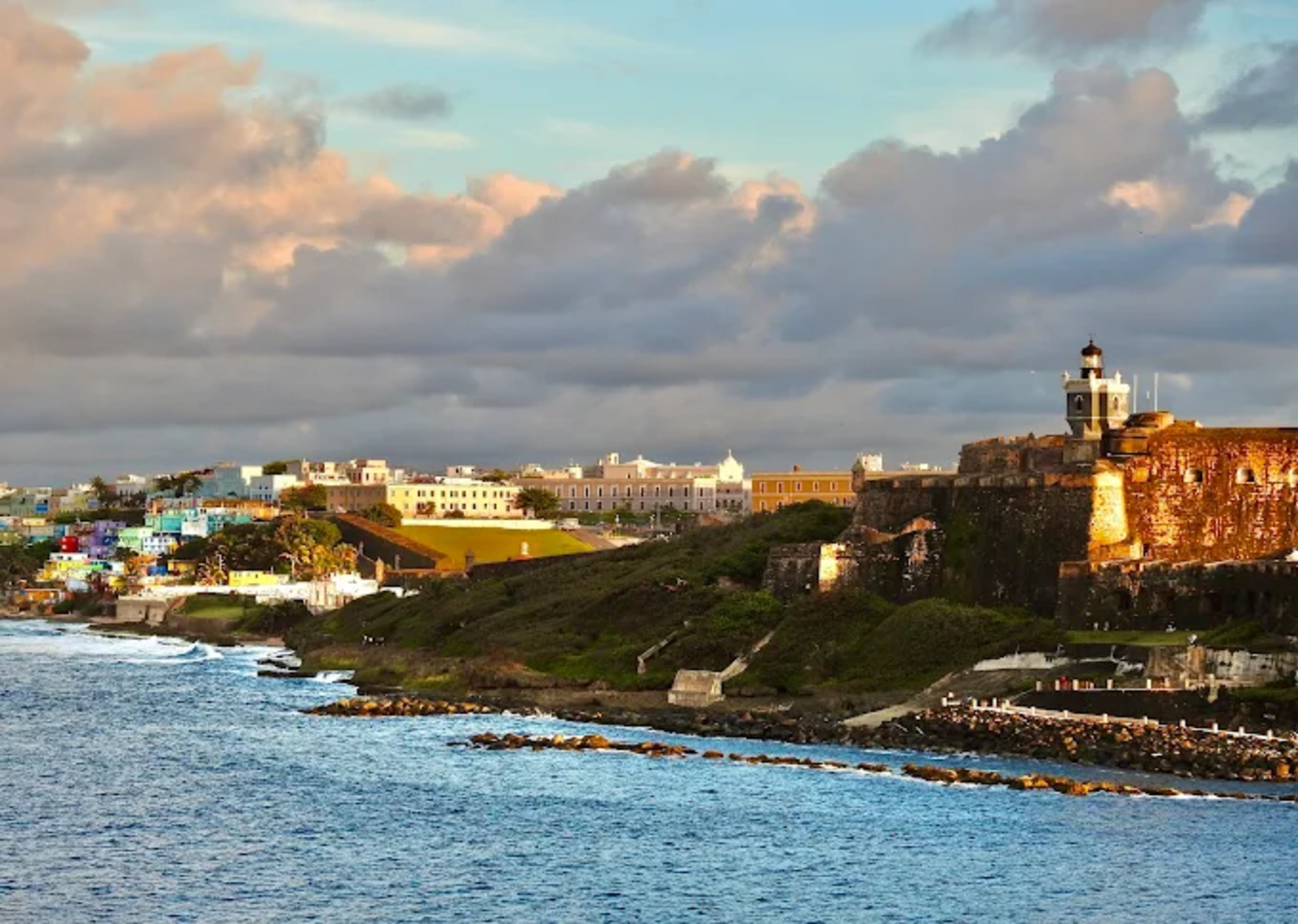
In 1493, Columbus arrived, followed by Ponce de León in 1508. For 400 years, Puerto Rico became Spain's strategic Caribbean fortress. The massive walls of El Morro and the blue cobblestones of Old San Juan are lasting reminders of this era when pirates and empires battled for control
Modern Puerto Rico
After the Spanish-American War, Puerto Rico became a U.S. territory in 1898. Today, we're a unique blend of Taino roots, Spanish heritage, African traditions, and American influence – creating the vibrant "Boricua" culture you'll experience in our music, food, and warm hospitality
Did you know?
Our island's name means "Rich Port", given by Spanish explorers amazed by our natural beauty and resources. From Taino settlements to Spanish fortresses to modern-day cultural hub, every corner of Puerto Rico tells a story
- 1493: Columbus arrives
- 1508: First Spanish settlement
- 1539: Construction of El Morro begins
- 1898: Spanish-American War
- 1952: Commonwealth established
- Today: Vibrant cultural fusion
Resilience & Renaissance
Recent years have tested our spirit with economic challenges and hurricanes like María in 2017. But true to our name—"Borikén," Land of the Valiant, we've responded with community solidarity, creative innovation, and a renewed commitment to preserving our culture while building a sustainable future
Puerto Rico's story isn't just in history books, it's in the smile of an abuela making pasteles, the rhythm of a plena song in La Placita, and the sunset over El Morro that's looked the same for 500 years. Come discover why our history isn't something we study, but something we live every day.
Local tip: Visit the small Museo de las Américas in Old San Juan, it's affordable, rarely crowded, and tells our story beautifully.